Biophilic Design on a Budget: Nature Without the Renovation
Science-backed ways to bring the outdoors in—for under $100.
Research consistently links exposure to natural elements—light, plants, wood textures, water sounds—to reduced stress and improved cognitive function. Biophilic design does not require architects or renovation budgets. Small, intentional choices measurably improve how your home feels.
Maximize Natural Light
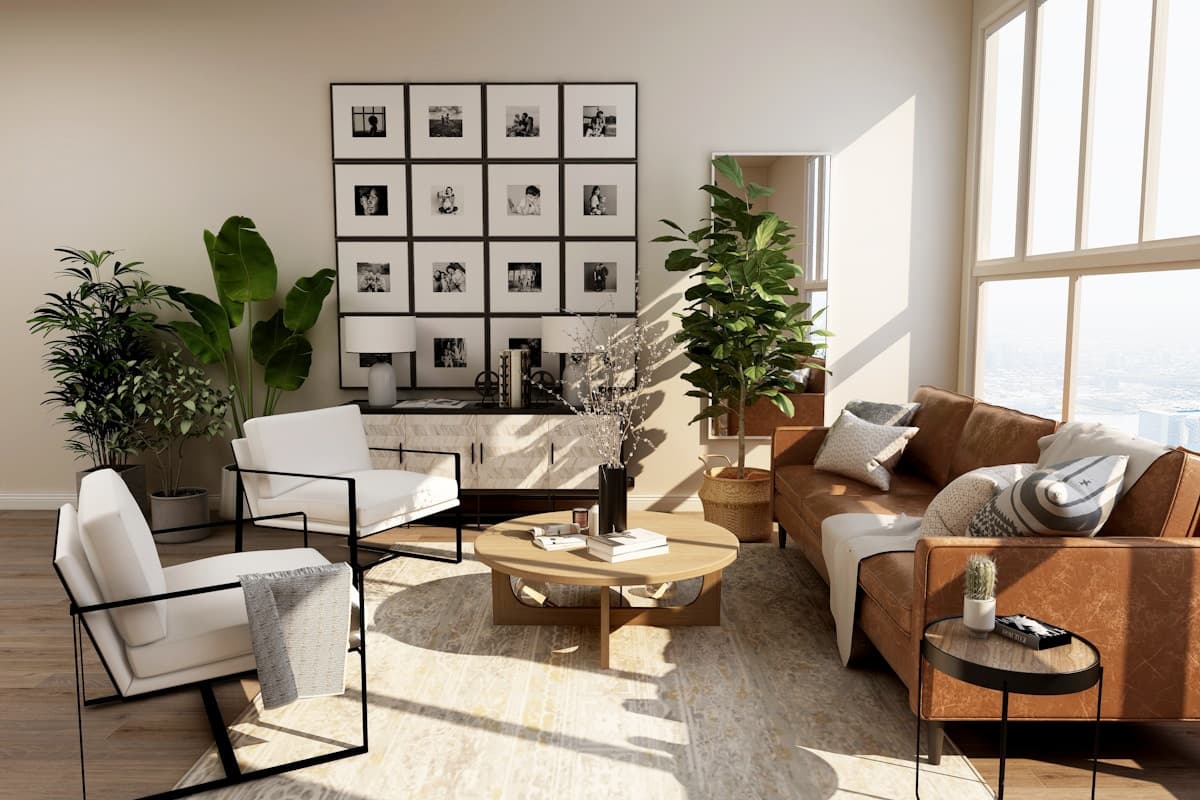
The cheapest biophilic upgrade is free: open curtains fully every morning. Remove obstacles blocking windows—oversized furniture, heavy drapes, exterior plant growth. Replace opaque curtains with sheer panels that diffuse light while maintaining privacy. Mirror placement opposite windows doubles light penetration for the cost of a frame.
Plants on a Budget
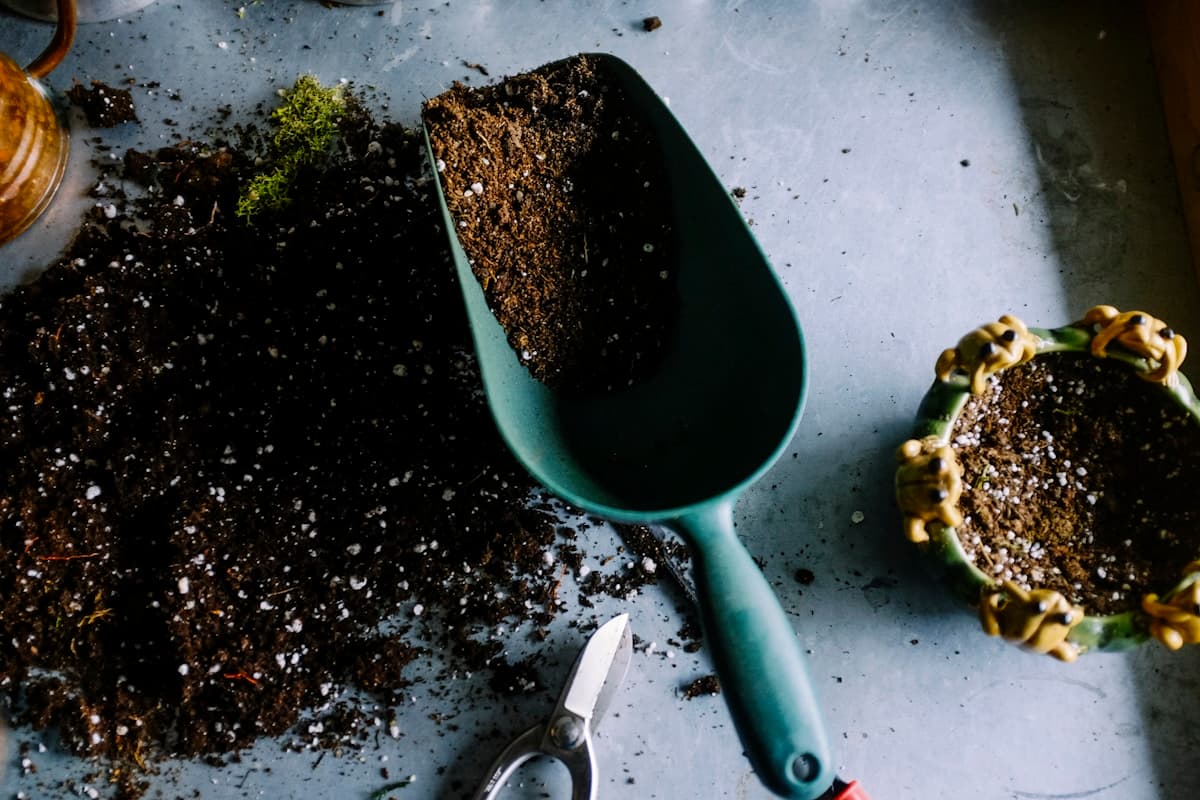
- Propagate pothos and spider plant babies in water—free plants from friends or your own collection
- Buy small plants; they grow. A $5 pothos fills a shelf in six months
- Visit end-of-season sales at garden centers for discounted perennials
- Group plants at varying heights using stacked books or thrifted stands
Natural Materials
Swap synthetic textiles for natural ones gradually: a jute rug ($30–50), linen cushion covers ($15–25 each), a bamboo cutting board, wooden serving bowls from thrift stores. Natural materials age gracefully—patina becomes character rather than deterioration. Prioritize items you touch daily: bedding, towels, and kitchen tools.
Nature does not need to be expensive. It needs to be present.
Water and Sound
A small desktop fountain ($25–40) adds the calming sound of moving water. If maintenance concerns you, a bowl of water with floating flowers achieves visual tranquility. Nature sound playlists played through a Bluetooth speaker during dinner or work create ambient biophilic atmosphere at zero ongoing cost.
Nature-Inspired Color
Paint one accent wall in an earthy tone—sage green, warm terracotta, or soft clay—for the cost of a single can ($30–40). Earth tones ground a space and connect it visually to the natural world. Pair with white or cream on remaining walls to prevent visual heaviness.
Bringing the Outside In
- Display found objects: stones, driftwood, pinecones, dried flowers in simple bowls
- Hang botanical prints (free online, printed at local copy shop for $5–10)
- Open windows daily for fresh air and birdsong, even for 10 minutes
- Position seating to face windows rather than walls
Under $100 Starter Kit
A complete biophilic starter kit: two potted plants ($15), a jute rug ($35), linen cushion covers ($20), a desktop fountain ($30). Total: $100. The psychological return—reduced stress, improved focus, a home that feels alive—far exceeds the investment.
The Research Behind Biophilia
Edward O. Wilson coined "biophilia" in 1984—the innate human affinity for living systems. A 2015 Human Spaces report found that employees in offices with natural elements reported 15% higher well-being and 6% higher productivity. Hospital patients with window views of trees recover faster and require less pain medication (Ulrich, 1984). You do not need a forest view: even photographs of nature reduce cortisol measurably. The implication for home design is clear: small natural interventions produce disproportionate psychological returns.
Common Mistakes
- Buying fake plants that look plastic—one real pothos outperforms ten artificial ferns psychologically
- Blocking natural light with heavy furniture placed in front of windows
- Overdoing earthy tones until rooms feel cave-like—balance with white and cream
- Ignoring maintenance—dead plants are worse for mood than no plants
Seasonal Updates
Rotate biophilic elements seasonally at zero cost: spring branches in a vase, summer wildflowers, autumn leaves and pinecones, winter evergreen sprigs. Swap cushion covers to linen in summer and wool in winter. Move seating toward windows as daylight shifts. These micro-changes keep your home feeling responsive to the natural world rather than static—a key principle of biophilic design that costs nothing but attention.
Biophilia is not a design trend. It is a biological need dressed in aesthetics.
The Research Behind Biophilia
Edward O. Wilson coined "biophilia" in 1984—the innate human affinity for living systems. A 2015 Human Spaces report found that employees in offices with natural elements reported 15% higher well-being and 6% higher productivity. Hospital patients with window views of trees recover faster and require less pain medication. You do not need a forest view: even photographs of nature reduce cortisol measurably. The implication for home design is clear: small natural interventions produce disproportionate psychological returns.
Common Mistakes
- Buying fake plants that look plastic—one real pothos outperforms ten artificial ferns psychologically
- Blocking natural light with heavy furniture placed in front of windows
- Overdoing earthy tones until rooms feel cave-like—balance with white and cream
- Ignoring maintenance—dead plants are worse for mood than no plants
Seasonal Updates
Rotate biophilic elements seasonally at zero cost: spring branches in a vase, summer wildflowers, autumn leaves and pinecones, winter evergreen sprigs. Swap cushion covers to linen in summer and wool in winter. Move seating toward windows as daylight shifts. These micro-changes keep your home feeling responsive to the natural world rather than static—a key principle of biophilic design that costs nothing but attention.
Biophilia is not a design trend. It is a biological need dressed in aesthetics.
Scent and Texture
Biophilic design engages all senses. Natural beeswax candles, dried eucalyptus bundles, and cedar blocks introduce organic scent without synthetic air fresheners. Texture variation—rough jute beside smooth linen, matte wood beside glazed ceramic—creates the sensory richness of natural environments. Avoid uniform surfaces that feel manufactured. Even a bowl of pinecones or river stones on a coffee table adds tactile interest that plastic decor cannot replicate.
Photography counts. Large-format nature prints—forests, oceans, meadows—produce measurable stress reduction even without real plants. Sources like Unsplash and local photographers offer affordable prints. Frame with natural wood or bamboo. Position where you spend stationary time: above desks, facing sofas, at dining areas. One well-placed landscape image transforms a room's psychological tone for under 50 dollars.
Community resources extend biophilic design at zero cost: library nature documentaries on a living room screen, neighborhood walking routes through parks, community garden plots for hands-on growing. Biophilia is about connection to living systems—not purchase of products. Start with what is already free around you.