Minimalism That Lasts: Beyond the Aesthetic Trend
True minimal living is not about empty rooms—it is about intentional choices that reduce friction in daily life.
The Instagram version of minimalism—white walls, a single plant, nowhere to put anything—has always been a caricature. The movement worth studying is quieter and far more durable. It is not about having less for its own sake. It is about having exactly what serves your life, and nothing that creates friction.
Intentional Living
True minimalism begins with a question, not a purge: does this object earn its place in my home? That question applies to furniture, clothing, kitchen gadgets, and digital subscriptions alike. The goal is not emptiness—it is clarity. Every item you keep should have a defined purpose, a designated home, and a frequency of use that justifies the space it occupies.
Minimalism is not about the number of things you own. It is about the number of decisions you avoid.
The Psychology of Clutter
Neuroscience research confirms what many feel intuitively: visual clutter competes for cognitive attention. A 2011 Princeton study found that disorder in the visual field reduces the brain's ability to focus on specific tasks. Clutter also triggers cortisol release, particularly in women, according to UCLA's Center on Everyday Lives of Families. Reducing excess is not an aesthetic preference—it is a cognitive and emotional intervention.
Practical Principles
- One in, one out: for every new item that enters your home, one equivalent item leaves
- Designate a home for everything—if something has no place, it becomes clutter by default
- Apply the 90/90 rule: if you have not used it in 90 days and will not in the next 90, let it go
- Invest in fewer, better things rather than accumulating cheap replacements
- Digitize where possible: papers, manuals, and sentimental photos need not occupy physical space
Room by Room
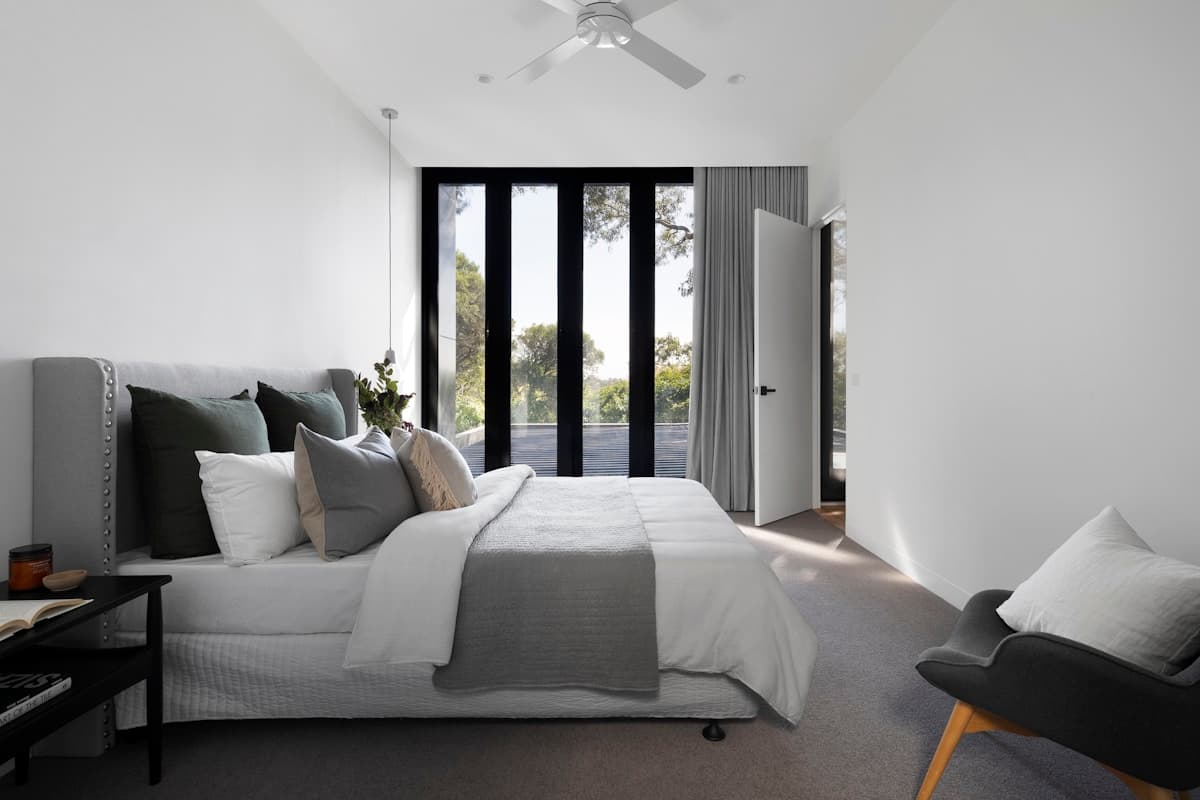
Start where friction is highest. For most people, that is the kitchen counter, the entryway, or the bedroom surfaces. Clear one zone completely, then rebuild it with intention. Keep only what you use daily within arm's reach. Move occasional-use items to closed storage. The bedroom deserves special attention: a calm, uncluttered sleep environment directly supports rest quality.
Minimalism With Family
Minimalism in a shared household requires negotiation, not decree. Focus on shared spaces first. Create clear boundaries: each person controls their own room; common areas follow agreed rules. For children, rotate toys rather than displaying everything at once. The lesson is not deprivation—it is that caring for our spaces is a form of caring for each other.
What Lasts
Trends fade. KonMari sparked a global decluttering wave; many who folded their socks perfectly were surrounded by bags of donations six months later. What endures is the underlying shift: from passive accumulation to active curation. The homes that feel most serene are not the most spartan—they are the most considered.
Common Minimalism Mistakes
- Purging everything at once, then rebuying essentials within months
- Confusing minimalism with expensive austerity—buying costly designer objects defeats the purpose
- Applying rigid rules to shared spaces without household buy-in, creating resentment
- Digitizing sentimental items without backing them up, then losing the only copy
The Economics of Owning Less
Minimalism has measurable financial returns beyond aesthetics. The average US household spends heavily on storage units—often housing items that could be sold or donated. Capsule wardrobes of 30–40 quality pieces replace closets of fast fashion, reducing annual clothing spend by 40–60% according to Project 333 practitioners. Fewer possessions mean smaller homes suffice: downsizing from 2,000 to 1,400 square feet saves thousands annually in mortgage, utilities, and maintenance across most US markets.
Every object you own is a relationship. Most of us are in too many relationships.
Maintaining Minimalism Long Term
Schedule quarterly reviews of entryways, closets, and digital subscriptions. Apply the one-in-one-out rule religiously for clothing and kitchen gadgets—the highest-influx categories. Teach children the "one toy in, one toy out" variant during birthdays and holidays. Minimalism fails when treated as a project with an endpoint; it succeeds when embedded as a decision filter applied to every acquisition.
Digital Minimalism
Physical clutter has a digital twin. The average smartphone holds 80-plus apps, hundreds of unread notifications, and thousands of photos never reviewed. Digital minimalism applies the same filter: uninstall apps unused for 90 days, disable non-essential notifications, and archive photos quarterly. A clean phone home screen—six apps maximum—reduces cognitive load as effectively as a clear kitchen counter. Email filters, unsubscribe sweeps, and single-purpose devices (an e-reader instead of a tablet) extend minimalism into the intangible realm where much of modern friction lives.
Expert Perspective
Psychologist Dr. Susan Whitbourne notes that clutter anxiety peaks during life transitions—moves, new jobs, new children. Minimalism is most valuable not as a permanent state but as a recalibration tool during these periods. "The question is not how little can you own, but whether each possession still serves the life you are living now." This framing makes minimalism accessible to collectors, families, and hobbyists who reject austerity but embrace intentionality.
Document your minimalism principles in writing—a short list of acquisition criteria posted inside a closet door or saved on your phone. When tempted by impulse purchases, consult the list. Does it serve a defined purpose? Do you have a place for it? Will you use it within 90 days? Written criteria convert abstract philosophy into a friction point that slows accumulation before it starts.
Seasonal transitions are natural reset points. Rotate wardrobes each equinox, audit kitchen gadgets before holiday cooking season, and review digital subscriptions at year end. Minimalism is not a destination reached once—it is a rhythm aligned with the calendar, preventing slow accumulation from eroding earlier progress.
The goal is not emptiness—it is availability. A minimalist home has space for what matters: guests, projects, rest, and play. Every cleared surface is an invitation, not an absence.