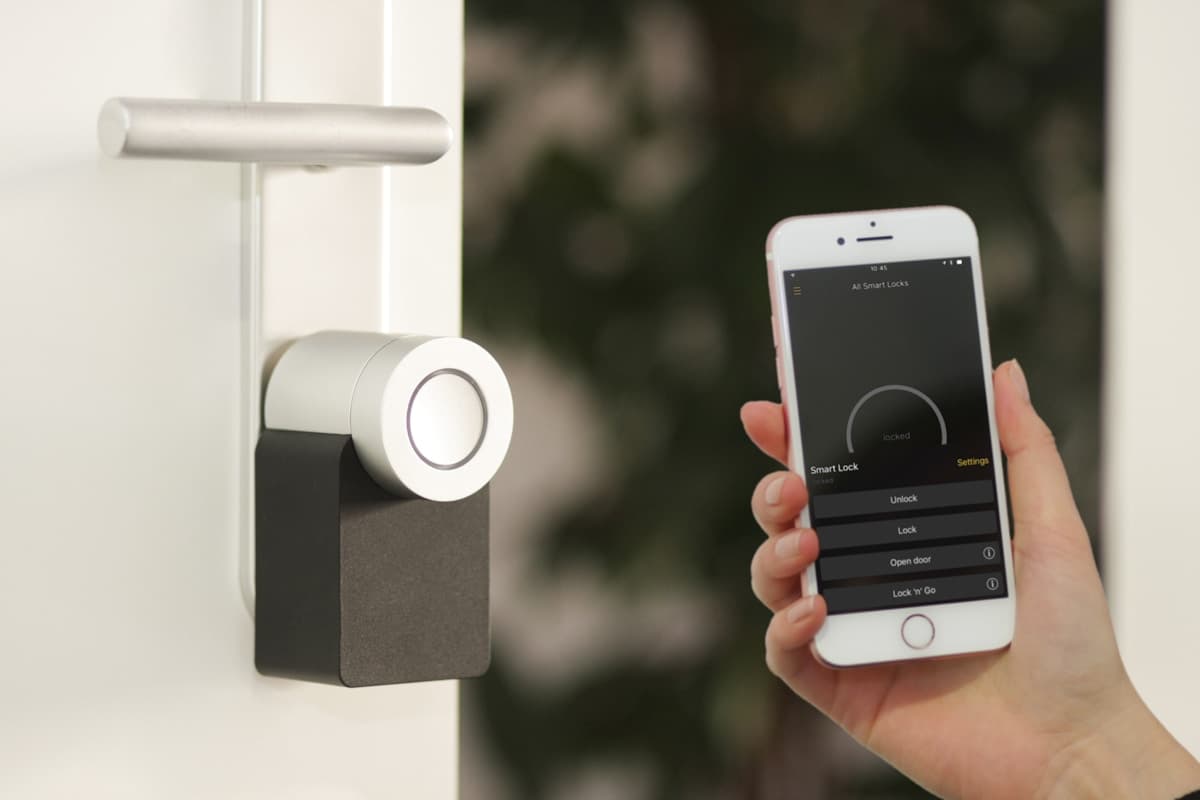
AI Assistants That Actually Understand Your Home
The next generation of smart home AI moves beyond voice commands to genuine contextual awareness.
For a decade, smart home assistants promised convenience and delivered frustration. They could turn on lights and set timers, but they understood almost nothing about the people living inside the walls. Ask Alexa to "make it comfortable" and you would get a shrug—or a random adjustment to the wrong room.
That is changing. A new class of home AI—trained on occupancy patterns, weather data, energy pricing, and household routines—is beginning to anticipate needs rather than merely respond to commands. These systems do not just hear words; they interpret intent within the context of your home.
Contextual Awareness
Modern home AI aggregates signals from dozens of sensors: motion detectors, door contacts, smart thermostats, energy monitors, and even appliance usage patterns. By correlating these inputs over weeks and months, systems build a model of how your household operates. They learn that you prefer the bedroom cooler than the living room, that Sunday mornings mean a later wake time, and that you always forget to close the garage door after retrieving the recycling.
The best home AI does not wait for you to ask. It acts on patterns you did not know you had.
Privacy by Design
Contextual awareness raises legitimate privacy concerns. Leading platforms now offer on-device processing, where pattern recognition happens locally rather than in the cloud. Apple Home, Home Assistant, and several Matter-compatible hubs process occupancy and routine data on local hardware, sending only anonymized aggregates to cloud services when necessary. Look for systems with explicit data retention policies, local-first architecture, and the ability to audit what your assistant knows about you.
The Matter Protocol
Matter, the interoperability standard backed by Apple, Google, Amazon, and Samsung, is the infrastructure layer that makes contextual AI possible. Before Matter, smart home devices spoke incompatible languages, forcing AI systems to work with fragmented data. Matter creates a unified device model—thermostats, locks, sensors, and lights all report state in a common format. This allows AI assistants to reason across your entire home rather than operating silo by silo.
Real-World Examples
- Ecobee Smart Thermostat Premium uses occupancy sensors and weather forecasts to pre-condition rooms before you arrive, cutting heating costs by 23% on average
- Google Nest learns your schedule and adjusts temperature, lighting, and security automatically—no programming required
- Home Assistant with local AI models can detect anomalies like a refrigerator running continuously or a water heater failing
- Josh.ai processes voice commands locally and understands room context: "dim the lights" means the room you are standing in
What to Expect Next
The trajectory is clear: home AI will shift from reactive voice control to proactive environmental management. Within two years, expect systems that coordinate heating, ventilation, lighting, and energy storage as a single optimized system—adjusting not just for comfort, but for grid conditions, electricity pricing, and carbon intensity of the power supply. The home of the near future will feel like it knows you, because in a meaningful sense, it will.
Frequently Asked Questions
Do I need to replace all my devices?
No. Start with a Matter-compatible hub and add devices incrementally. Smart thermostats, occupancy sensors, and door contacts deliver the highest contextual value per dollar. Legacy devices can often be bridged through Home Assistant or manufacturer adapters until you replace them naturally.
How long until the system learns my routines?
Most platforms need 2–4 weeks of occupancy data before automations become reliably predictive. Ecobee and Nest report meaningful schedule optimization within 10–14 days. Home Assistant with local models may take longer but offers deeper customization. Expect some manual corrections during the learning period.
23%
Average heating cost reduction with context-aware thermostats
Frequently Asked Questions
Do I need to replace all my devices?
No. Start with a Matter-compatible hub and add devices incrementally. Smart thermostats, occupancy sensors, and door contacts deliver the highest contextual value per dollar. Legacy devices can often be bridged through Home Assistant or manufacturer adapters until you replace them naturally.
How long until the system learns my routines?
Most platforms need 2–4 weeks of occupancy data before automations become reliably predictive. Ecobee and Nest report meaningful schedule optimization within 10–14 days. Home Assistant with local models may take longer but offers deeper customization. Expect some manual corrections during the learning period.
23%
Average heating cost reduction with context-aware thermostats
Building Your Context Layer
Start with three data streams: occupancy (motion or mmWave sensors), climate (thermostat and room sensors), and energy (whole-home monitor or smart panel). Home Assistant with the OpenAI or local Llama integration can correlate these into routines within a weekend. Apple Home automations remain simpler but less flexible. The goal is not sentience—it is reducing the number of times you open an app to adjust your environment.
Security and Trust
Contextual AI requires cameras and microphones in your home. Evaluate privacy policies before purchase: where is data processed, how long is it retained, can you audit and delete it? Apple and Home Assistant lead on local processing. Amazon and Google offer convenience with cloud dependency. Segment IoT devices on a separate network VLAN. Disable unused sensors. The smartest home is one you trust enough to let learn—and control enough to limit what it knows.
The shift from command-based to context-based home AI mirrors the evolution of smartphones from button-driven to gesture-aware interfaces. Early adopters who invest in sensor infrastructure today—motion, temperature, humidity, energy monitoring—will have the richest datasets when AI coordination matures. Think of sensors as the eyes and ears your assistant needs to act intelligently. Start with one room, prove the value, then expand. Within 18 months, most new construction will pre-wire for this contextual layer.
The competitive landscape is consolidating around three approaches: platform-native AI from Apple, Google, and Amazon; open-source intelligence via Home Assistant; and premium integrated systems from Josh.ai and Control4. Choose based on privacy tolerance, technical comfort, and ecosystem lock-in appetite. Most homeowners will land on one platform and extend it over years—plan accordingly.