Home Battery Storage Explained
From grid backup to solar optimization—understanding the battery revolution in residential energy.
What you'll achieve
By the end of this guide, you will have:
- Right-size a battery for backup or solar optimization
- Compare LFP vs legacy chemistries with confidence
- Understand ROI and incentive stacking
What you'll need
Home battery systems have crossed a critical threshold: they now make financial sense for many homeowners, not just early adopters. Falling lithium prices, generous incentives, and rising electricity rates have transformed batteries from luxury gadgets into practical home infrastructure.
Follow these steps
Define your primary goal
Backup power, bill savings, or solar self-consumption—each requires different sizing.
Size for essential loads
10–15 kWh covers fridge, lights, internet, and heat controls for 24 hours.
Choose LFP chemistry
Lithium iron phosphate offers the best lifespan and safety for home use.
Configure backup circuits
Ensure your installer sets up a critical loads panel or whole-home islanding.
Model payback with incentives
Include ITC, time-of-use arbitrage, and avoided outage costs in your ROI calculation.
How Home Batteries Work
Home battery systems store electricity for use when you need it—during outages, at night when solar panels are inactive, or during peak rate periods when grid electricity is most expensive. A hybrid inverter manages flow between solar panels, battery, home loads, and the grid, optimizing for cost savings or backup reliability depending on your priorities.
Lithium Battery Types
- Lithium iron phosphate (LFP/LiFePO4): Longest lifespan (6,000+ cycles), safest chemistry, slightly lower energy density. Used in Tesla Powerwall 3, Enphase IQ, and most modern systems.
- Nickel manganese cobalt (NMC): Higher energy density, common in electric vehicles. Gradually being replaced by LFP in stationary storage.
- Lead-acid: Legacy technology, cheaper upfront but shorter lifespan and lower efficiency. Largely obsolete for residential use.
Sizing Capacity
Battery capacity is measured in kilowatt-hours (kWh). A typical US home uses 30 kWh daily. For backup power, size to cover essential loads—refrigerator, lights, internet, heating controls—for 24 hours: typically 10–15 kWh. For solar self-consumption optimization, match battery capacity to your evening usage pattern. Most homeowners find 10–20 kWh optimal. Systems are modular: start with one unit and add capacity as needs evolve.
42%
Average energy savings with solar-plus-storage systems
Backup Power
Not all battery systems provide backup power during grid outages. Ensure your installer configures a critical loads panel or whole-home backup capability. During an outage, the battery island from the grid and power selected circuits. Runtime depends on capacity and consumption: a 13.5 kWh Powerwall can power essentials for 12–24 hours. Multiple units extend this proportionally.
Pairing with Solar
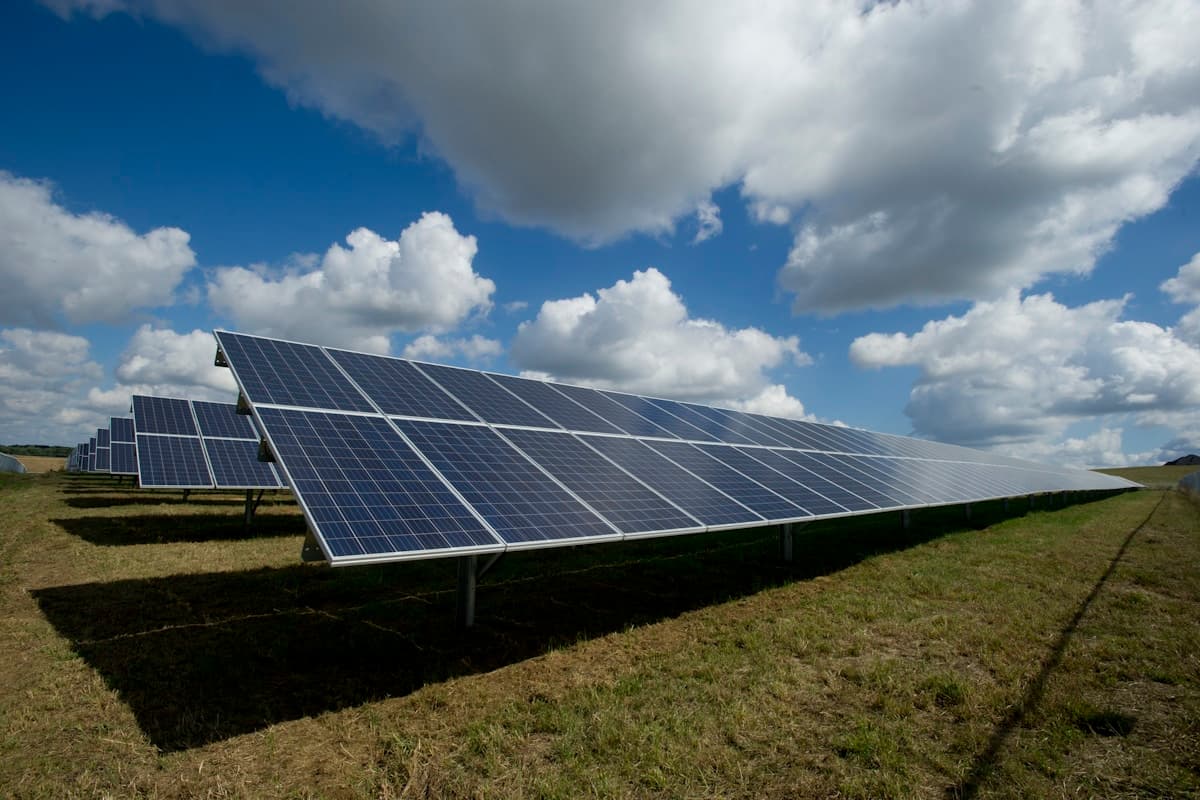
Batteries deliver maximum value paired with solar panels. During the day, solar charges the battery instead of exporting excess power to the grid at low feed-in rates. In the evening, the battery discharges, replacing expensive grid imports. This self-consumption model can increase solar savings by 40–60% compared to panels alone. In regions with time-of-use pricing, batteries automatically discharge during peak rate windows.
Solar panels generate wealth. Batteries let you keep it.
ROI and Costs
- Installed cost: $8,000–$15,000 for a 10–15 kWh system
- Federal tax credit: 30% through 2032 (applied to total solar-plus-storage installation)
- Payback period: 7–12 years through bill savings, faster in high-rate markets
- Lifespan: 10–15 years with warranties typically guaranteeing 70% capacity at year 10
- Added benefit: backup power value during outages—difficult to quantify but significant in storm-prone regions
Choosing a System
Major residential options include Tesla Powerwall, Enphase IQ Battery, LG ESS, Sonnen, and FranklinWH. Compare capacity, power output (kW), warranty terms, and compatibility with your existing or planned solar inverter. If starting fresh, integrated solar-plus-storage systems from a single installer simplify design and warranty support. The battery revolution is here—and for many homeowners, the question is no longer whether, but how much.
Common Mistakes
- Oversizing batteries without matching solar production—empty batteries cannot save money
- Assuming all batteries provide backup power; verify islanding capability before purchase
- Installing in unconditioned garages in extreme climates, reducing lifespan and efficiency
- Ignoring utility interconnection requirements and net metering policy changes
Frequently Asked Questions
How long do home batteries last? Most lithium systems retain 70% capacity after 10 years with daily cycling. Can I add batteries later? Tesla Powerwall and Enphase systems are modular; plan inverter capacity for future expansion. Do batteries work without solar? Yes, for time-of-use arbitrage and backup—but ROI is weaker without solar charging. Are they safe? LFP chemistry is thermally stable; install per manufacturer clearances and local fire codes.

Common Mistakes
- Oversizing batteries without matching solar production—empty batteries cannot save money
- Assuming all batteries provide backup power; verify islanding capability before purchase
- Installing in unconditioned garages in extreme climates, reducing lifespan and efficiency
- Ignoring utility interconnection requirements and net metering policy changes
Frequently Asked Questions
How long do home batteries last? Most lithium systems retain 70% capacity after 10 years with daily cycling. Can I add batteries later? Tesla Powerwall and Enphase systems are modular; plan inverter capacity for future expansion. Do batteries work without solar? Yes, for time-of-use arbitrage and backup—but ROI is weaker without solar charging. Are they safe? LFP chemistry is thermally stable; install per manufacturer clearances and local fire codes.
Grid Services and VPPs
Virtual power plant programs from Tesla, Sunrun, and utility companies pay homeowners to share battery capacity during grid peaks. Compensation ranges from bill credits to direct payments of 200–500 dollars annually. Participation requires ceding some control to the aggregator during demand events—typically 10–50 times per year. For homeowners with batteries primarily for backup, VPP enrollment monetizes idle capacity without additional hardware.