Solar Rooftops Reimagined: Beauty Meets Function
Integrated solar tiles and invisible panels are finally making renewable energy a design choice, not a compromise.
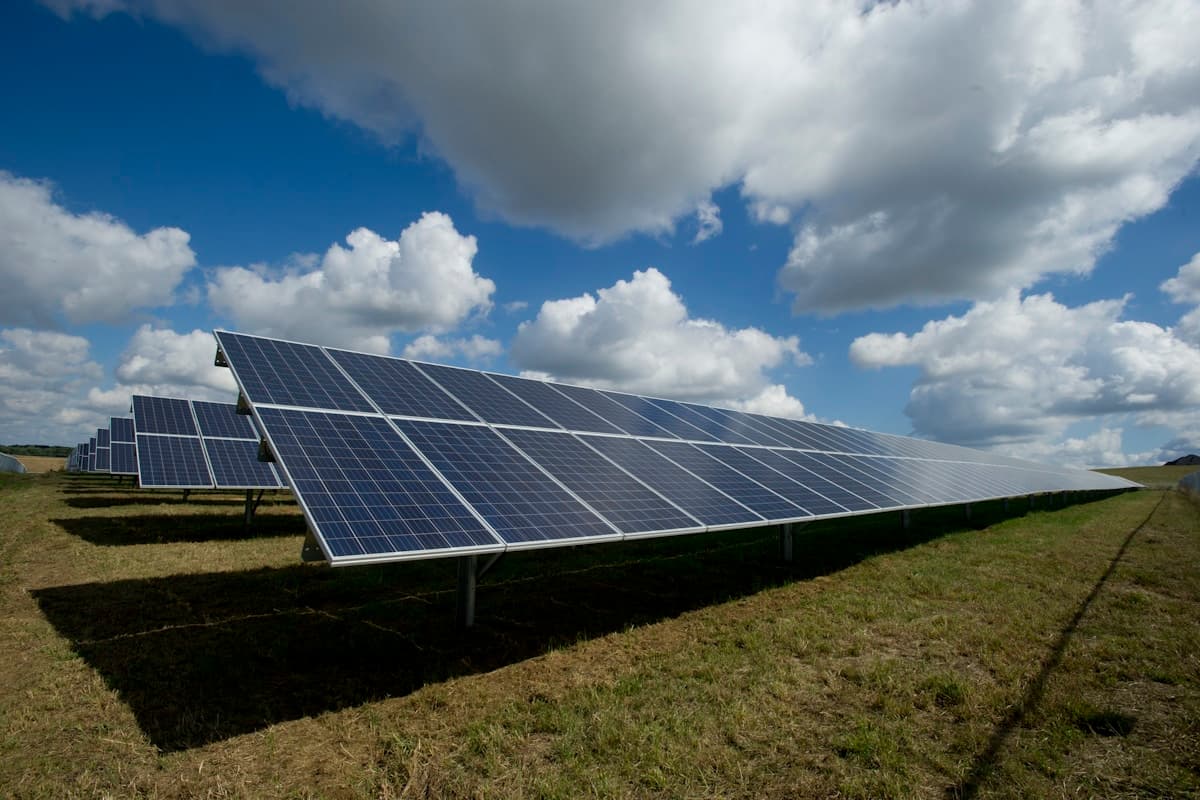
The blue rectangles bolted onto suburban roofs defined solar for a generation. Functional, yes—but aesthetically divisive. Neighbors complained. HOAs resisted. Architects treated panels as an afterthought, something to hide rather than celebrate. That visual language is being rewritten entirely.
Building-Integrated Photovoltaics
Building-integrated photovoltaics (BIPV) embed solar cells directly into building materials—roof tiles, facade panels, skylights, and even windows. Unlike traditional rack-mounted systems, BIPV replaces conventional building elements, eliminating the visual intrusion of panels bolted atop an existing roof. The technology has matured significantly: modern BIPV products achieve efficiencies within 2–3% of standard panels while offering weatherproofing, structural support, and architectural integration in a single product.
Solar Tiles and Shingles
Solar tiles represent the most visible shift in residential solar aesthetics. Products from Tesla, GAF Energy, SunTegra, and others replace conventional roofing material with photovoltaic units that sit flush with adjacent tiles. Tesla Solar Roof, perhaps the most discussed product, uses tempered glass tiles with integrated solar cells, available in textured, smooth, tuscan, and slate finishes. The result is a roof that generates electricity while looking like—well, a roof.
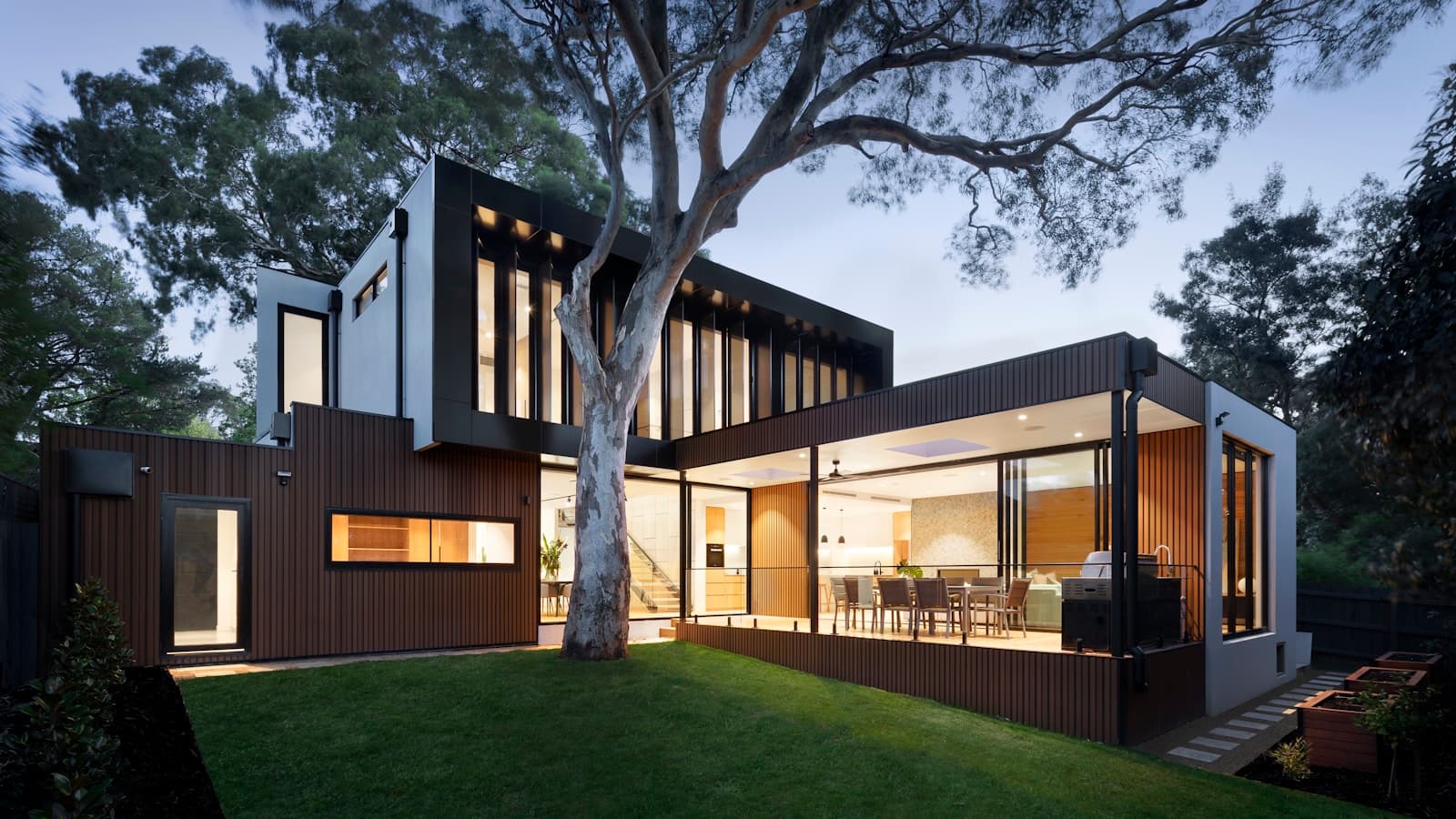
Architects no longer have to choose between aesthetics and energy independence. BIPV makes solar invisible.
The Tesla Solar Roof in Context
Tesla Solar Roof generates intense interest and debate. Early installations faced durability questions and lengthy installation timelines. Third-generation tiles, introduced in 2020, addressed many concerns with improved efficiency and faster installation. At roughly $20–25 per square foot installed—compared to $4–8 for asphalt shingles plus separate panels—the premium is substantial. Tesla positions the product for new construction and full roof replacements, where the cost differential narrows when factoring in avoided roofing material.
Aesthetics and Property Value
Research consistently shows that conventional solar panels increase property values by 3–4% on average. BIPV may amplify this effect in design-conscious markets, where visible panels deter some buyers. A Berkeley Lab study found that homes with solar sold 20% faster than comparable homes without. As BIPV becomes more common and costs decline, the aesthetic objection—the last major barrier to residential solar adoption in many markets—is eroding.
78%
Of homeowners considering solar within the next three years
Cost Considerations
- Conventional rooftop solar: $2.50–$3.50 per watt installed, 6–10 year payback in most US markets
- Solar shingles (GAF Timberline Solar): $3.80–$4.50 per watt, competitive when replacing an aging roof
- Tesla Solar Roof: $6–$8 per watt equivalent, justified primarily on new builds and premium renovations
- Federal tax credits and local incentives can reduce net costs by 30% or more
The solar roof of the future will not look like solar at all. It will look like architecture—because it is.
HOA and Aesthetic Approvals
Twenty-five US states now have solar access laws limiting HOA restrictions on panel placement. BIPV products often satisfy aesthetic committees that reject conventional rack-mounted arrays—GAF Timberline Solar shingles are indistinguishable from architectural shingles at street level. When presenting to an HOA, emphasize flush-mount profiles, color-matched frames, and property value data from Lawrence Berkeley National Laboratory studies showing 3–4% home value increases.
Common Installation Mistakes
- Oversizing systems without matching inverter capacity, reducing efficiency at partial loads
- Ignoring roof age—installing BIPV on a roof needing replacement within 10 years creates costly rework
- Skipping shade analysis; even partial shading on one tile can disproportionately reduce array output
- Choosing aesthetics over efficiency without calculating the lifetime energy tradeoff
The best solar roof is the one your architect would have specified even without the photovoltaic cells.
HOA and Aesthetic Approvals
Twenty-five US states now have solar access laws limiting HOA restrictions on panel placement. BIPV products often satisfy aesthetic committees that reject conventional rack-mounted arrays—GAF Timberline Solar shingles are indistinguishable from architectural shingles at street level. When presenting to an HOA, emphasize flush-mount profiles, color-matched frames, and property value data from Lawrence Berkeley National Laboratory studies showing 3–4% home value increases.
Common Installation Mistakes
- Oversizing systems without matching inverter capacity, reducing efficiency at partial loads
- Ignoring roof age—installing BIPV on a roof needing replacement within 10 years creates costly rework
- Skipping shade analysis; even partial shading on one tile can disproportionately reduce array output
- Choosing aesthetics over efficiency without calculating the lifetime energy tradeoff
The best solar roof is the one your architect would have specified even without the photovoltaic cells.
Financing and Incentives
The federal Investment Tax Credit covers 30% of installed solar costs through 2032. Many states add SRECs, property tax exemptions, and rebate programs. Solar loans at 4–6% APR often produce positive cash flow from month one when loan payments are less than prior electricity bills. BIPV-specific incentives exist in California (SGIP), New York (NYSERDA), and Massachusetts (SMART program). Always model total cost of ownership over 25 years, not sticker price.
Future Technology
Perovskite tandem cells promise 30%+ efficiency in building-integrated formats within this decade. Transparent solar glass for windows is commercially available from Physee and Ubiquitous Energy at lower efficiencies but architectural versatility. Organic photovoltaics enable flexible, colored panels for facade cladding. Today's BIPV products are the first generation—not the ceiling. Early adopters benefit from current incentives; patient adopters will see better technology at lower cost within five to seven years.
For architects specifying BIPV on new construction, coordinate with structural engineers early—load calculations, conduit routing, and inverter placement should appear on schematic designs, not construction documents. Model energy production alongside thermal performance in climate-specific simulations. The solar roof is no longer a subcontractor afterthought; it is a primary building system deserving the same design attention as HVAC and envelope.
Warranty terms vary significantly across BIPV products. Tesla offers 25-year tile and power warranties; GAF provides 25-year coverage on both shingles and production. Always compare degradation rates—quality panels lose less than 0.5% efficiency annually. A roof that generates power for 30 years justifies premium upfront costs through decades of avoided electricity purchases.