Heat Pumps: Everything You Need to Know
A complete guide to choosing, installing, and optimizing a heat pump for your home.
What you'll achieve
By the end of this guide, you will have:
- Choose the right heat pump type for your climate zone
- Size your system correctly and estimate install costs
- Claim available rebates and plan annual maintenance
What you'll need
Heat pumps move heat rather than generate it, making them three to four times more efficient than conventional furnaces. They are the cornerstone of decarbonizing residential heating—and they work in cold climates far better than most people assume. This guide walks through every decision you will face.
Follow these steps
Assess your climate zone
Cold-climate air-source heat pumps now work below 0°F, but sizing and backup strategy differ by region.
Calculate heating and cooling loads
Use Manual J or an installer audit—oversizing reduces efficiency and comfort.
Choose air-source vs ground-source
Air-source is cheaper to install; ground-source offers higher efficiency where land allows.
Get three installer quotes
Compare equipment brands, warranty terms, and incentive handling—not just bottom-line price.
Stack federal and local incentives
Apply the 30% federal tax credit plus state rebates before finalizing financing.
Schedule annual maintenance
Filter cleaning, coil inspection, and refrigerant checks protect your investment.
How Heat Pumps Work
At their core, heat pumps use refrigerant to absorb heat from outside air—even in cold weather—and transfer it indoors. In summer, the process reverses to provide cooling. Because they move heat rather than create it through combustion, heat pumps deliver 300–400% efficiency: for every unit of electricity consumed, they produce three to four units of heat energy.
Types of Heat Pumps
- Air-source heat pumps (ASHP): Most common for residential use. Extract heat from outdoor air. Modern units operate efficiently to -15°F and below.
- Ground-source (geothermal): Use buried loops to tap stable underground temperatures. Higher upfront cost, lower operating cost. Ideal for new construction with land.
- Ductless mini-splits: Individual wall-mounted units connected to an outdoor compressor. Perfect for homes without ductwork or room-by-room zoning.
- Air-to-water: Heat water for hydronic radiators or radiant floors. Popular in European retrofits.
Sizing Your System
Oversizing is the most common heat pump mistake. An oversized unit short-cycles—turning on and off frequently—which reduces efficiency and comfort. Proper sizing requires a Manual J load calculation performed by a qualified installer, accounting for insulation, windows, orientation, and local climate. Resist the temptation to size for the coldest day of the year; heat pumps are most efficient running steadily at partial load.
Costs and Incentives
Installed costs for air-source heat pumps range from $8,000–$20,000 depending on system size, ductwork requirements, and brand. Ductless mini-splits for a whole home typically run $12,000–$25,000. The US federal tax credit covers 30% of installation costs up to $2,000 annually. Many states and utilities offer additional rebates ranging from $500 to $8,000. When factoring in eliminated fuel costs, payback periods of 5–12 years are typical.
31%
Year-over-year growth in residential heat pump installations
Cold Climate Performance
Early heat pumps struggled below 30°F. That is no longer true. Cold-climate certified models from Mitsubishi, Daikin, Fujitsu, and Carrier maintain full heating capacity to 5°F and continue operating to -13°F or lower. In very cold regions, consider a dual-fuel setup that pairs a heat pump with an existing furnace for the coldest days—or invest in a cold-climate unit that eliminates the need for backup entirely.
Maintenance
- Clean or replace air filters monthly during heating and cooling seasons
- Keep outdoor units clear of snow, ice, and debris—maintain 18 inches of clearance on all sides
- Schedule professional service annually: refrigerant check, coil cleaning, electrical connections
- Monitor for unusual noises, reduced airflow, or ice buildup on the outdoor unit during defrost cycles
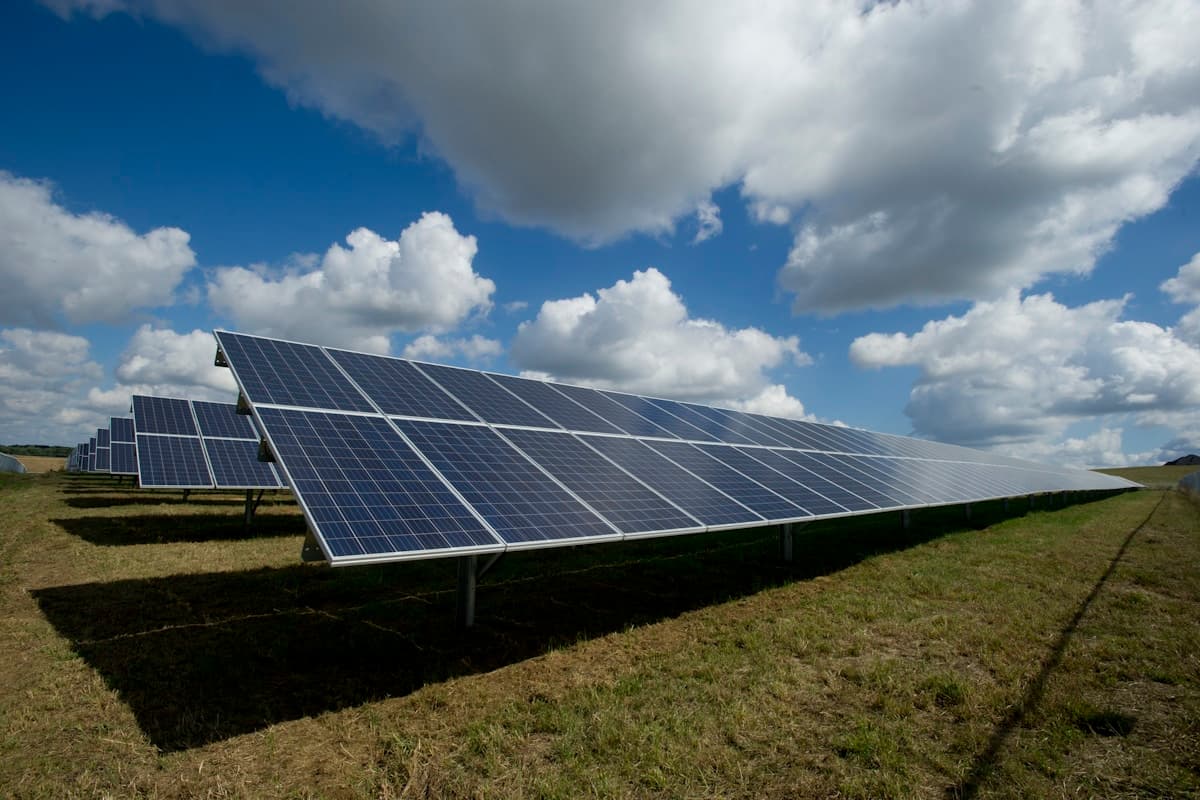
A heat pump paired with solar panels and battery storage is the most cost-effective path to a net-zero home.
Making the Decision
If your furnace or boiler is approaching end of life, a heat pump should be your default replacement—not a special consideration. Get quotes from at least three installers certified by the manufacturer. Ask about Manual J calculations, warranty terms, and cold-climate performance data. The technology is mature, the economics are favorable, and the climate case is undeniable.
Common Installation Mistakes
- Oversizing units, causing short-cycling and poor dehumidification in summer
- Installing outdoor units without adequate clearance—minimum 18 inches on all sides, more behind the unit
- Skipping Manual J load calculations and sizing by square footage alone
- Neglecting defrost cycle noise planning in bedrooms adjacent to outdoor units
Frequently Asked Questions
Do heat pumps work below zero? Yes. Cold-climate certified models from Mitsubishi Hyper-Heating H2i and Daikin Aurora lines maintain capacity to -13°F. Will my electricity bill increase? Heating costs typically drop 30–50% versus propane or electric resistance, even with higher electricity consumption. How loud are they? Modern units operate at 45–55 decibels—comparable to a quiet conversation. Can I install one myself? Not recommended; refrigerant handling, electrical work, and warranty requirements demand certified installers.
$8,000
Maximum federal tax credit for heat pump installation through 2032
Common Installation Mistakes
- Oversizing units, causing short-cycling and poor dehumidification in summer
- Installing outdoor units without adequate clearance—minimum 18 inches on all sides, more behind the unit
- Skipping Manual J load calculations and sizing by square footage alone
- Neglecting defrost cycle noise planning in bedrooms adjacent to outdoor units
Frequently Asked Questions
Do heat pumps work below zero? Yes. Cold-climate certified models from Mitsubishi Hyper-Heating H2i and Daikin Aurora lines maintain capacity to -13°F. Will my electricity bill increase? Heating costs typically drop 30–50% versus propane or electric resistance, even with higher electricity consumption. How loud are they? Modern units operate at 45–55 decibels—comparable to a quiet conversation. Can I install one myself? Not recommended; refrigerant handling, electrical work, and warranty requirements demand certified installers.
30%
Federal tax credit for qualifying heat pump installation through 2032