Cozy Living: Designing Warmth Without Cranking the Heat
Textiles, light, and layout tricks that make winter homes feel inviting.
Thermal comfort is psychological as much as physical. A room at 68°F with warm-toned lighting, wool throws, and candlelight feels warmer than a bare room at 72°F. Cozy living is about designing for perceived warmth, not just measured temperature.
Textiles and Layering
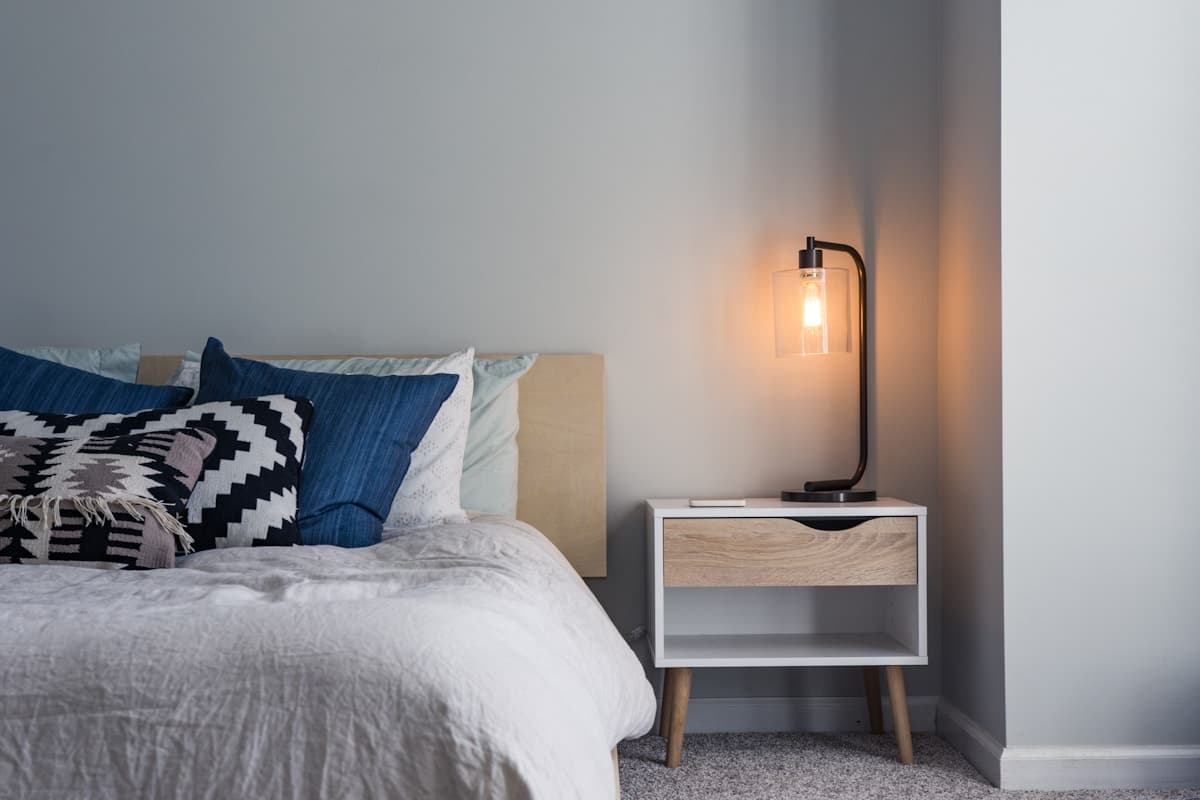
Layer textiles to create visual and tactile warmth. Start with a natural-fiber base rug (wool, jute), add throw blankets in chunky knits at sofa arms and bed footboards, and swap cotton cushion covers for velvet or faux fur. Heavy curtains—lined or thermal—insulate windows while adding visual weight. The goal is surfaces that invite touch.
Lighting for Warmth
Replace cool-white bulbs with warm-spectrum LEDs (2700K or lower). Use multiple light sources at different heights—floor lamps, table lamps, candles—rather than a single overhead fixture. Dimmer switches transform evening atmosphere instantly. Candlelight, whether real or LED, adds flickering warmth that no bulb replicates.
Hyggelig living is engineered comfort—not temperature, but the feeling of sanctuary.
Layout for Gathering
Arrange seating to face each other rather than a television. Pull furniture away from walls to create intimate conversation zones. A coffee table with books, candles, and a tea setup invites lingering. In dining areas, a smaller table set for regular use feels cozier than a large table always empty.
Energy-Efficient Warmth
- Use the 5-degree thermostat rule: lower heat at night, compensate with heavier bedding
- Deploy draft stoppers at exterior doors and window sills
- Reverse ceiling fan direction to clockwise in winter, pushing warm air down from the ceiling
- Zone heat with space heaters in occupied rooms rather than overheating the whole house
- Open curtains on south-facing windows during sunny winter days for free solar heat
Sensory Details
Cozy is multisensory. A simmering pot of soup, baking bread, or a cinnamon candle engages smell. Soft music or rainfall sounds add auditory warmth. Keep slippers and thick socks by the door. Fill mugs with tea before settling into evening reading. These small rituals signal to your nervous system that the home is a refuge from winter's harshness.
The Psychology
Danish hygge, Norwegian koselig, and similar concepts share a truth: winter comfort is designed, not purchased. The most effective cozy upgrades cost little—a blanket, a candle, a rearranged seating area. The investment is attention, not money. Design your home to reward coming inside.
Product Picks for Cozy Living
- Weighted blankets: Bearaby Cotton Napper or Gravity Blanket (15–20 lbs) for deep pressure calm
- Candles: unscented beeswax for clean burn, or P.F. Candle Co. for subtle scent
- Throws: Brooklinen wool throw, IKEA VILDKORN as budget option
- Humidifiers: Levoit LV600S maintains 40–50% humidity—dry air feels colder than moist air at the same temperature
Room-by-Room Cozy Upgrades
Living room: layer rugs, add floor-level lighting, position seating for conversation. Bedroom: flannel sheets, blackout curtains with warm-toned bedside lamps, remove screens. Bathroom: heated towel rails or plush towels, candlelight for evening baths. Kitchen: keep a kettle on the stove, display wooden cutting boards, simmer spices on low. Entryway: hooks for coats, a bench for removing boots, warm light welcoming you home. Cozy is not one room—it is a whole-home posture toward winter.
Cooking and baking generate warmth and aroma simultaneously—slow cooker meals, oven-roasted vegetables, and simmering soups make kitchens the warmest rooms in the house. Schedule oven use during the coldest afternoon hours for free thermal gain. Share meals at the table rather than in front of screens. The social warmth of shared food amplifies physical warmth in ways no thermostat adjustment can replicate.
Sound shapes coziness as much as light and texture. Record rainfall, crackling fire, or acoustic playlists at low volume. Silence feels cold; gentle ambient sound wraps a room like an invisible blanket. A small Bluetooth speaker in the corner costs little and transforms evening atmosphere within minutes.
Common Cozy Living Mistakes
Cranking heat instead of layering textiles wastes energy and dries the air, making you feel colder. Using only overhead lighting creates harsh shadows that feel clinical, not cozy. Clutter undermines sanctuary—cozy requires curated surfaces, not accumulated objects. Scented candles in unventilated rooms degrade air quality; limit burn time to two hours. Finally, cozy is not static: rotate textiles and rearrange seating seasonally to keep the feeling fresh.
The Science of Perceived Warmth
Cornell University research shows that warm color temperatures (2700K and below) increase perceived room temperature by 2–3°F without changing the thermostat. Tactile warmth matters too: holding a warm mug activates the insular cortex, creating a whole-body warmth sensation. Social warmth—arranging seating for conversation—releases oxytocin, which correlates with comfort ratings independent of ambient temperature. Cozy living is neurochemistry, not just interior design.
You do not feel cold. You feel unheld. Textiles, light, and ritual are how a home holds you.
Weekly Cozy Rituals
Establish anchors: Sunday soup simmering, Wednesday candle-lit dinner, Friday movie night with blankets preset. Rituals signal safety to the nervous system more powerfully than any single purchase. Invite friends for low-key gatherings—social warmth amplifies physical warmth. Keep a basket of blankets within reach of every seating area. Cozy living is practiced, not purchased.
Winter Preparation Checklist
- Service heating system and replace filters before first cold snap
- Install draft stoppers and check window seals for air leaks
- Rotate bedding to flannel or fleece; add an extra layer to sofas
- Stock tea, soup ingredients, and candles before storms arrive
- Position seating to face windows—daylight combats seasonal mood dips
Cozy living is cumulative. No single blanket or candle transforms a home overnight—but layered textiles, warm light, intentional rituals, and energy-smart heating together create a winter refuge that feels genuinely nurturing. Start with one room, one ritual, one evening. Expand from there as the season deepens. By February, your home will feel like a deliberate sanctuary against the cold.