The 5-Degree Rule: A Thermostat Hack That Cuts Bills
Small temperature adjustments with outsized impact on comfort and cost.
What you'll achieve
By the end of this guide, you will have:
- 5–10% lower heating and cooling bills
- Comfortable sleep and away schedules
- Smart thermostat automations configured
What you'll need
The 5-degree rule is simple: adjust your thermostat 5 degrees toward the outside temperature when you are asleep or away. Your body adapts faster than you think—especially with the right bedding and clothing. The savings are immediate and measurable.
Follow these steps
Set your sleep setback
Lower heat 5°F (or raise AC 5°F) for your sleep hours. Target 62–65°F for winter sleep.
Program your away schedule
Apply the same 5° adjustment when nobody is home for 4+ hours.
Pre-warm before wake-up
Schedule recovery 30 minutes before your alarm so you never wake to a cold house.
Layer bedding and clothing
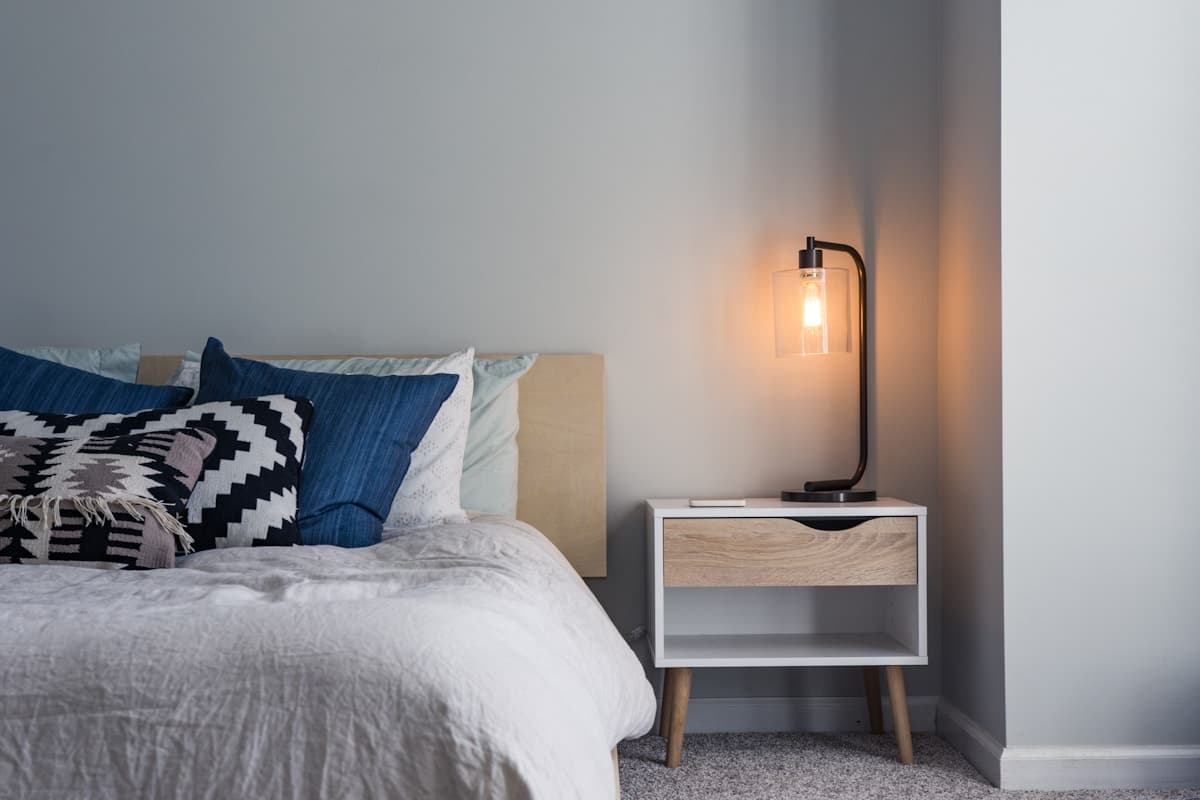
Adjust textiles so setbacks feel comfortable—socks and a duvet make lower temps unnoticeable.
The Science of Savings
Heating and cooling account for roughly 50% of residential energy use. Every degree of adjustment reduces energy consumption by approximately 1–3%. A 5-degree setback over 8 hours of sleep can cut total heating costs by 5–10%. Over a heating season, that translates to $100–$300 for the average US household.
10%
Potential reduction in annual heating costs with consistent 5-degree setbacks
Winter Strategy
In winter, lower your thermostat 5°F during sleep and when away. Set sleeping temperature to 62–65°F. Layer bedding—a duvet, blanket, and breathable sheets trap body heat effectively. Wear socks; cold feet trigger whole-body chill perception. Program your thermostat to begin warming 30 minutes before your alarm so you never wake to a cold house.
Summer Strategy
In summer, raise your thermostat 5°F when away or sleeping. Set cooling to 78°F when home, 82–85°F when away. Use ceiling fans to create wind-chill effect, making higher temperatures feel comfortable. Close blinds on south- and west-facing windows during peak sun hours to reduce cooling load.
Your thermostat is the most powerful energy-saving device in your home. Use it deliberately.
Smart Thermostat Schedules
- Weekday away: setback begins 30 minutes after leaving, restore 30 minutes before return
- Sleep: setback begins at bedtime, restore 30 minutes before wake time
- Weekend: maintain comfort settings but extend setbacks if sleeping in
- Vacation: set to 55°F (winter) or 85°F (summer) to protect pipes and reduce humidity
Making It Comfortable
Discomfort derails energy-saving habits. Invest in season-appropriate bedding: lightweight linen for summer, flannel or down for winter. Address drafts with weatherstripping before lowering temperature—no setback compensates for a leaky window. If one room runs cold, a small space heater during occupied hours costs less than overheating the whole house.
The 5-degree rule requires no equipment upgrades, no lifestyle overhaul—just a schedule and consistency. Program it once, let your thermostat execute, and collect the savings.
Recommended Thermostats
Recommended Thermostats
- Ecobee Smart Thermostat Premium: room sensors, occupancy detection, energy reports
- Google Nest Learning Thermostat: automatic schedule learning, HVAC monitoring
- Honeywell Home T9: room sensors, geofencing, budget-friendly option
- Emerson Sensi Touch: Wi-Fi scheduling without learning algorithms
Frequently Asked Questions
Will setback damage my HVAC system? No. Modern systems are designed for temperature cycling. Does it use more energy to reheat? Only marginally—the savings from hours at lower temperature far exceed recovery costs. What about heat pumps? Use smaller setbacks (3°F) because heat pumps are most efficient running steadily. What if I have a baby or elderly person at home? Maintain comfort zones in occupied bedrooms; setback only common areas and when everyone is asleep.
Common Mistakes
Cranking the thermostat to heat faster—it does not work; the system runs at the same speed regardless of setting. Forgetting to program weekends separately from weekdays. Setting setbacks too aggressive (10°F+) causing discomfort that trains you to abandon the habit. Ignoring humidity: in summer, pair higher temperature setpoints with dehumidification for comfort. Not using ceiling fans, which make 78°F feel like 72°F through wind-chill effect.
Pairing With Insulation Upgrades
Thermostat setbacks work best in well-insulated homes. Before aggressive scheduling, seal drafts with weatherstripping (cost: under 50 dollars, savings: 10–15% additional). Add attic insulation to R-49 in cold climates. Smart thermostats report runtime data—if your system runs more than 12 hours daily in mild weather, fix the envelope before optimizing the schedule.
Regional Adjustments
Humid climates (Southeast US): smaller setbacks prevent mold growth during cooling seasons; use dehumidification instead of aggressive cooling setbacks. Dry climates (Southwest): larger setbacks work well; add a humidifier for comfort during winter setbacks. Heat pump households: limit setbacks to 3°F to maintain efficiency. Radiant floor heating: setbacks are less effective due to thermal mass; maintain steady temperatures. Tailor the rule to your system, not just the season.
Track your results. Smart thermostats from Ecobee and Nest provide monthly energy reports showing runtime hours and estimated savings. Compare the same month year-over-year after implementing setbacks. Most households see 8–12% reduction within the first billing cycle. Share results with household members—visible savings motivate continued adherence better than abstract environmental arguments.
Layer clothing strategically during setbacks: merino wool base layers, insulated slippers, and a heated throw on the sofa make 65°F feel comfortable. Thermal comfort is perception as much as temperature—address both and setbacks become unnoticeable within a week of adaptation.