Global Smart Home Adoption Report 2026
Key findings from our annual survey of 12,000 households across 18 countries.
For the third consecutive year, SkyBoyton surveyed households worldwide to understand how technology is reshaping domestic life. The 2026 findings, drawn from 12,000 respondents across 18 countries, reveal an ecosystem maturing rapidly—from novelty purchase to household infrastructure.
67%
Of households now own at least one smart home device
3.2
Average number of connected devices per smart home household
Share of households with at least one connected device
Percent of adopters who own each category
Methodology
Our survey sampled 12,000 households stratified by income, geography, and housing type across North America, Europe, Asia-Pacific, and Latin America. Respondents were screened for internet access and completed a 40-minute questionnaire covering device ownership, usage patterns, satisfaction, privacy concerns, and purchase intent. Margin of error is ±1.2% at 95% confidence.
Adoption by Category
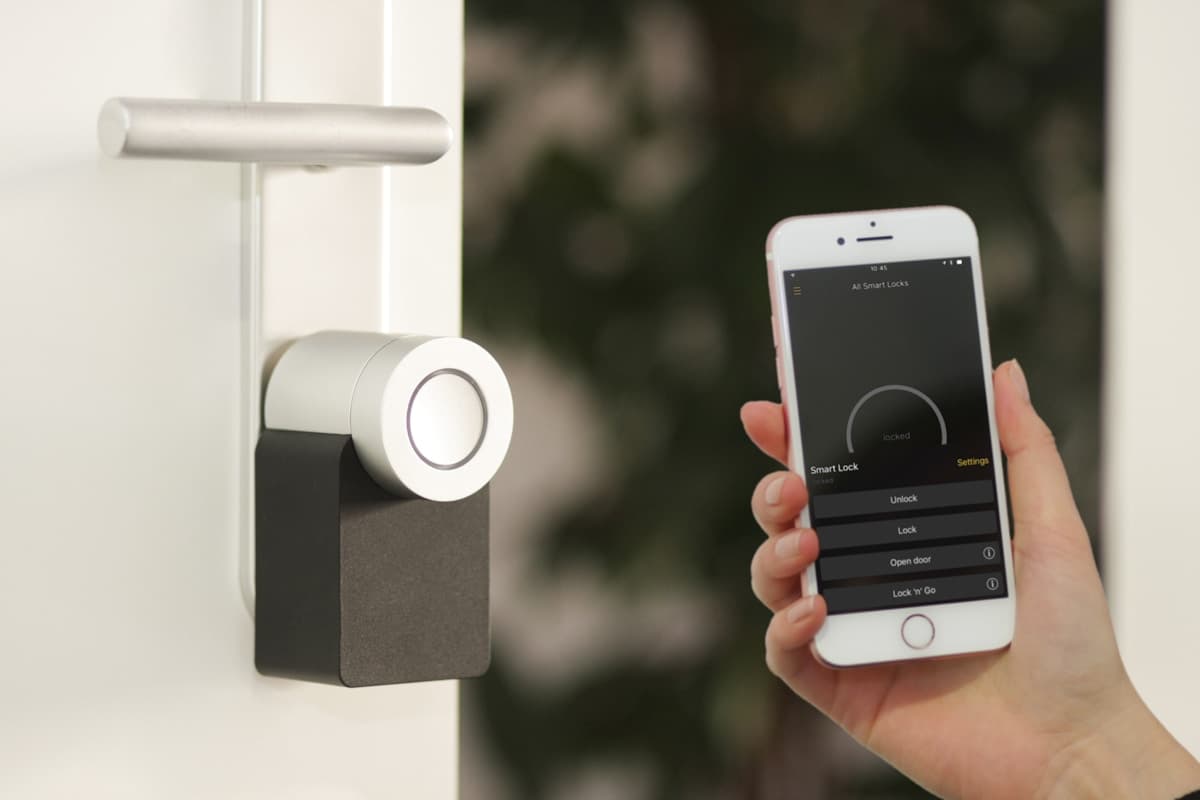
Smart speakers remain the entry point: 52% of smart home households own one. Smart thermostats follow at 38%, driven by energy cost concerns. Security cameras and doorbells (34%) rank third, reflecting safety priorities. Smart lighting (29%), locks (18%), and appliances (15%) round out the top categories. Notably, Matter-compatible device ownership jumped from 8% to 24% year-over-year.
24%
Of smart home households now own at least one Matter-compatible device
Regional Variations
- North America: Highest adoption at 74%, led by security and voice assistant devices
- Europe: 63% adoption, strongest in energy management (heat pumps, smart thermostats) driven by policy
- Asia-Pacific: 61% adoption, rapid growth in South Korea and Japan; smart appliances dominate
- Latin America: 48% adoption, mobile-first smart home control via smartphones rather than hubs
Smart home adoption is no longer a technology story. It is an infrastructure story.
Privacy and Trust
Privacy remains the primary barrier to adoption. 58% of non-adopters cite data security concerns. Among current owners, 41% worry about devices listening or recording without consent. Local processing and Matter's device-level security are shifting sentiment: households using primarily local-control platforms report 34% higher satisfaction than cloud-dependent setups.
58%
Of non-adopters cite privacy concerns as the primary barrier
Energy and Sustainability
Energy management is the fastest-growing use case. 44% of smart home households use connected devices primarily to reduce energy costs—up from 31% in 2024. Smart thermostats deliver an average reported savings of 18% on heating and cooling. Integration with solar panels and battery storage is the emerging frontier: 12% of adopters now coordinate generation, storage, and consumption through a single platform.
Satisfaction and Retention
Overall satisfaction stands at 72%—a significant improvement from 64% in 2024, attributed largely to Matter interoperability reducing frustration. However, 23% of households report at least one abandoned device—purchased, set up, and subsequently ignored due to complexity or redundancy. The industry's challenge is not acquisition; it is activation and sustained engagement.
Outlook for 2027
We project smart home adoption reaching 75% globally by end of 2027, driven by Matter ubiquity, energy cost pressures, and AI-powered automation that reduces setup complexity. The next wave is not more devices—it is fewer, smarter ones that coordinate seamlessly. Homes will shift from collections of gadgets to integrated environmental systems.
Demographic Breakdown
Adoption skews toward homeowners aged 35–54 (74% penetration) versus renters (41%). Households with children under 18 adopt security devices at 2.3× the rate of childless households. Income above $75,000 correlates with 68% adoption, but the fastest growth segment is $40,000–$75,000 households entering via sub-$50 smart plugs and bulbs. Urban density accelerates adoption: 71% in cities above 500,000 population versus 58% in rural areas.
Expert Commentary
Dr. Yolanda Gil, AI researcher at USC, notes that the 2026 inflection point reflects a shift from device accumulation to system intelligence. "Households are not buying more gadgets—they are buying coordination. The 34% satisfaction gap between local-processing and cloud-dependent setups tells us privacy and reliability are now purchase drivers, not afterthoughts." She projects AI-orchestrated energy management will become the primary adoption motivator by 2028, surpassing security.
18%
Average heating and cooling savings reported by smart thermostat users
Methodology Limitations
Our survey underrepresents non-English-speaking households and those without broadband—populations with lower adoption rates. Self-reported savings figures are not independently verified. Privacy concern data may overstate barriers due to social desirability bias. Despite these limitations, three-year trend consistency and cross-regional corroboration support the core finding: smart home technology has crossed from early adopter to early majority.
Demographic Breakdown
Adoption skews toward homeowners aged 35–54 (74% penetration) versus renters (41%). Households with children under 18 adopt security devices at 2.3× the rate of childless households. Income above 75,000 dollars correlates with 68% adoption, but the fastest growth segment is middle-income households entering via sub-fifty-dollar smart plugs and bulbs. Urban density accelerates adoption: 71% in cities above 500,000 population versus 58% in rural areas.
Expert Commentary
Dr. Yolanda Gil, AI researcher at USC, notes that the 2026 inflection point reflects a shift from device accumulation to system intelligence. "Households are not buying more gadgets—they are buying coordination. The 34% satisfaction gap between local-processing and cloud-dependent setups tells us privacy and reliability are now purchase drivers, not afterthoughts." She projects AI-orchestrated energy management will become the primary adoption motivator by 2028, surpassing security.
18%
Average heating and cooling savings reported by smart thermostat users
Methodology Limitations
Our survey underrepresents non-English-speaking households and those without broadband—populations with lower adoption rates. Self-reported savings figures are not independently verified. Privacy concern data may overstate barriers due to social desirability bias. Despite these limitations, three-year trend consistency and cross-regional corroboration support the core finding: smart home technology has crossed from early adopter to early majority.
Predictions for 2028
We anticipate three shifts: consolidation from 3.2 devices per household to integrated hubs controlling 8–12 endpoints; energy management surpassing security as the primary purchase driver in Europe and Australia; and AI assistants that configure themselves from a 10-minute conversation rather than manual rule-building. Rental markets will adopt smart locks and thermostats as standard amenities. The smart home of 2028 will feel less like a gadget collection and more like a utility—always on, rarely noticed, occasionally indispensable.